Ecommerce pricing models explained — how ecommerce platforms really charge (and what it means for your business)
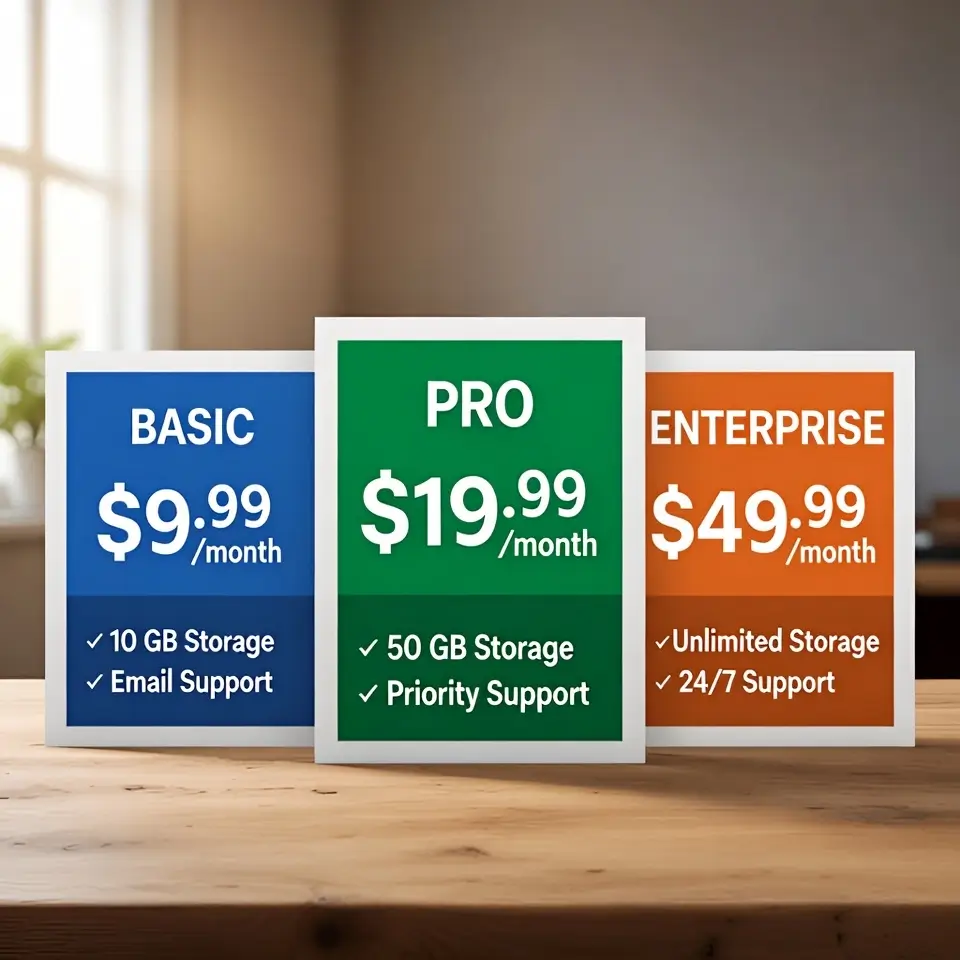
Choosing an ecommerce platform isn’t just about features — it’s about how pricing affects your margins, scalability, and long-term profitability. Many merchants underestimate the real cost of an ecommerce platform until they start growing.
In this guide, we break down the most common ecommerce pricing models, explain how they work, and help you choose the model that best supports your business — today and in the future.
Why ecommerce pricing models matter
Pricing is just one part of the bigger picture. If you’re planning to create an online store, it’s important to understand how platform costs, features, and scalability work together from day one.
Ecommerce pricing models directly impact:
- Monthly operating costs
- Profit margins
- Ability to scale
- Predictability of expenses
- Freedom to grow without penalties
A platform that looks affordable at first can become expensive as your sales increase. Understanding pricing models upfront helps you avoid unpleasant surprises.

The most common ecommerce pricing models
Most ecommerce platforms use one (or a combination) of the pricing models below.
1. Flat monthly subscription pricing
How it works:
You pay a fixed monthly fee to use the platform, regardless of how much you sell.
Typical features:
- Predictable monthly cost
- Core features included
- Optional plan upgrades
Pros
- Easy to budget
- No penalty for growth
- Scales cleanly with revenue
Cons
- Advanced features may require higher plans
Best for:
Small to mid-sized businesses, fast-growing brands, and merchants who value cost predictability.
2. Transaction-based pricing (commission per sale)
How it works:
The platform takes a percentage of each transaction, often on top of payment processing fees.
Pros
- Low upfront cost
- Easy to start
Cons
- Costs increase directly with sales
- Penalizes growth
- Reduces margins over time
Best for:
Very small stores or short-term projects — not ideal for scaling businesses.
3. Tiered pricing based on features or limits
How it works:
Different plans unlock features or usage limits (products, orders, staff accounts).
Pros
- Clear upgrade path
- Pay for what you need
Cons
- Feature lock-in
- Forced upgrades as you grow
Best for:
Merchants with clearly defined needs and predictable growth.
4. Add-on and plugin-based pricing
Many platforms rely heavily on add-ons and transaction-based fees, which can increase complexity over time. This becomes especially clear when comparing different solutions side by side in our ecommerce platforms comparison.
How it works:
Core platform fee is low, but essential functionality requires paid add-ons.
Common paid add-ons include:
- Marketing features
- Analytics
- Automation tools
- International selling features
Pros
- Flexible at the beginning
Cons
- Hidden long-term costs
- Complex billing
- Difficult to forecast total spend
Best for:
Technically experienced teams that want granular control — not ideal for simplicity.
5. Enterprise or custom pricing
How it works:
Pricing is negotiated individually based on business size and needs.
Pros
- Custom solutions
- Dedicated support
Cons
- High cost
- Long contracts
- Limited flexibility
Best for:
Large enterprises with complex requirements.

Real cost vs listed price — what merchants often miss
Many merchants focus only on the headline price. In reality, total cost includes:
- Platform subscription
- Transaction fees
- Add-ons and integrations
- Development or maintenance costs
- Upgrade requirements
The best ecommerce pricing model minimizes hidden costs and scales with your success.
Which ecommerce pricing model scales best?
From a long-term perspective, flat monthly pricing with generous feature access tends to scale best.
Why?
- Revenue growth doesn’t increase platform costs
- Margins remain predictable
- You can focus on sales, not fees
This model aligns the platform’s success with yours — not against it.
Pricing models often reflect how platforms are built. Modern platforms designed for growth tend to combine predictable pricing with unified architecture — a topic we explore further when looking at what defines the best ecommerce platform today.
Ecommerce pricing models and growth strategy
Your ideal pricing model depends on where your business is today — and where it’s heading.
- Just starting: low barrier, fast setup
- Growing: predictable costs, scalable features
- Scaling internationally: flexible payments, automation, unified data
Choosing the wrong pricing model early can slow growth later.
Transparent pricing on modern ecommerce platforms
Modern platforms are moving away from complex pricing structures toward simplicity and transparency.
For example, Finqu offers clear monthly pricing starting at $29/month, with all the core ecommerce features you need included.

How to choose the right ecommerce pricing model
Before committing to a platform, ask yourself:
- Will costs increase as my sales grow?
- Are essential features included or paid separately?
- Can I upgrade or downgrade easily?
- Is pricing transparent and predictable?
The best ecommerce pricing model supports growth — instead of taxing it.
Final thoughts
Ecommerce pricing models shape how profitable and scalable your business can become. What looks cheap today may be costly tomorrow.
Understanding ecommerce pricing models helps you avoid surprises as you grow. Transparent, predictable pricing allows you to focus on sales instead of platform costs.

Turn your idea into a thriving business — with all the tools you need, right from the start.