

Create an online store in 2026 — complete ecommerce guide
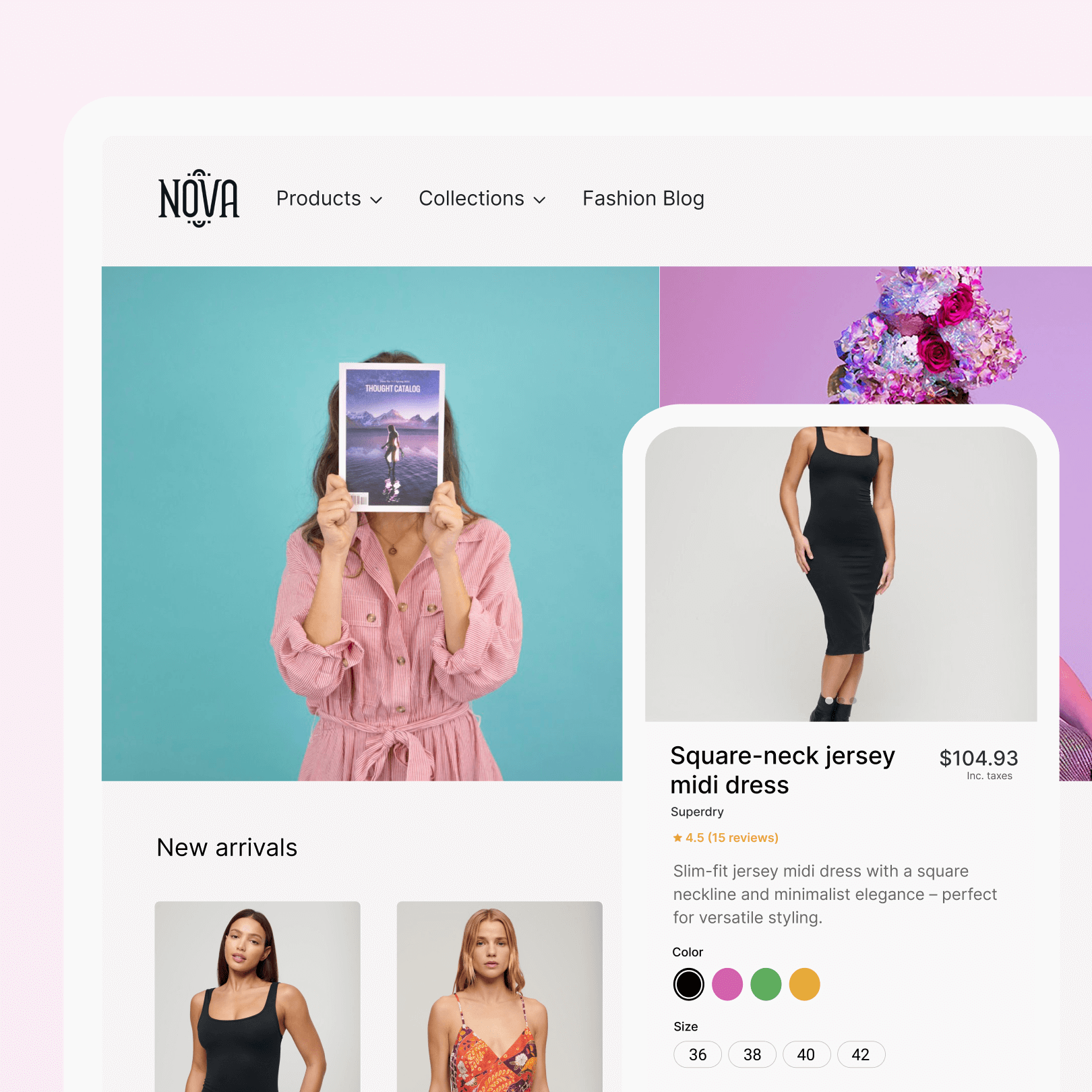
Creating an online store has never been easier. With modern shopping cart software and a scalable ecommerce platform, you can launch, manage, and grow an online business faster than ever before.
This guide shows you how to create an online store step by step, what tools you need, how much it costs, and how to succeed in e-commerce in 2026 and beyond.
Along the way, we’ll also link to deeper guides on topics like choosing the best ecommerce platform, understanding pricing models, and building a seamless checkout experience.
This guide shows you how to create an online store step by step, what tools you need, how much it costs, and how to succeed in e-commerce in 2026 and beyond.
Along the way, we’ll also link to deeper guides on topics like choosing the best ecommerce platform, understanding pricing models, and building a seamless checkout experience.
What is an ecommerce platform?
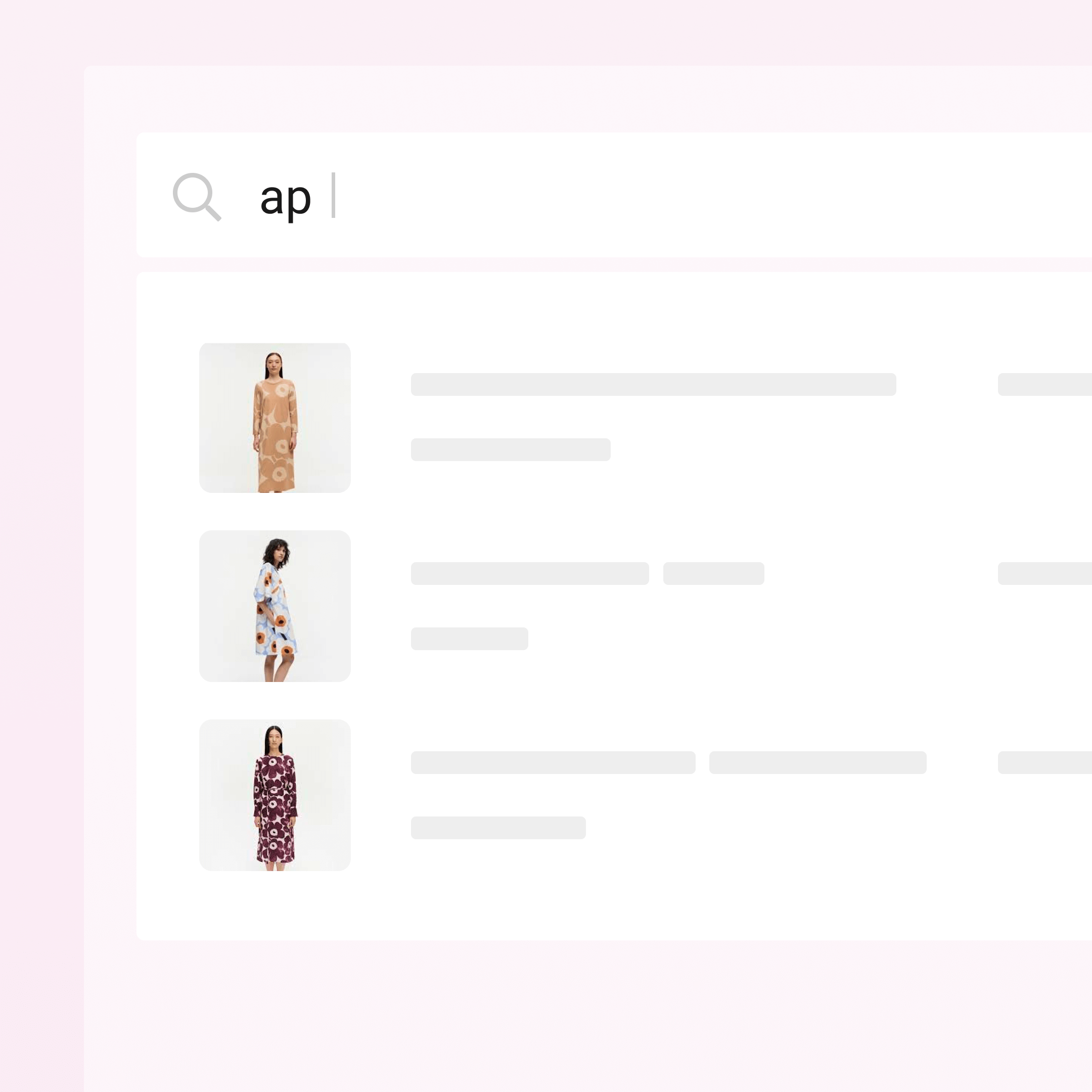
An ecommerce platform (or e-commerce platform) is software that allows you to create an online store, manage products, accept payments, handle orders, and deliver purchases to customers.
A modern ecommerce platform typically includes:
- Shopping cart software
- Payment and checkout system
- Product and inventory management
- Shipping and tax settings
- Themes and design tools
- Analytics and reporting
Choosing the best ecommerce platform is the foundation of long-term success. If you’re comparing different solutions, we’ve put together a detailed ecommerce platforms comparison covering modern platforms and how they differ in scalability, pricing, and long-term complexity.
How to create an online store: 3 essentials before you start
Before launching your store, focus on these three fundamentals. Getting them right early saves time, money, and frustration later.
1. Choose an easy-to-use ecommerce platform
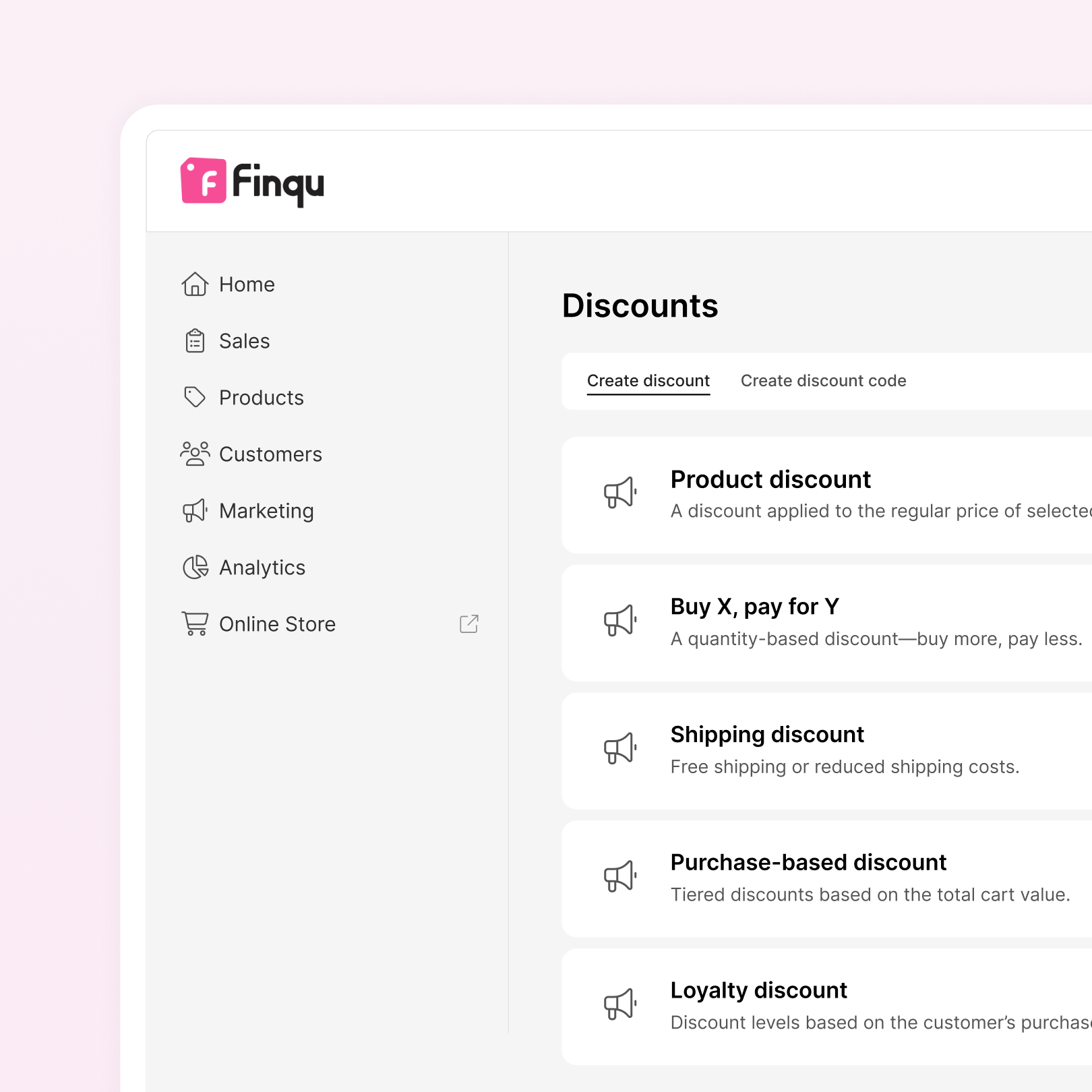
The right ecommerce platform is one you can manage yourself. Ease of use matters more than endless features you never touch.
Look for:
- Intuitive admin interface
- No-code store setup
- Automation for store creation
- Hosted infrastructure
- Automated updates
With a modern ecommerce platform, you can create an online store in minutes without technical setup or upfront costs.
Start a free trial and see how it works in practice.
2. Enable all relevant payment methods
Checkout friction kills conversions. Customers expect to see familiar payment options.
Your online store should support:
- Credit and debit cards
- Buy now, pay later
- Local and international payment methods
- Multiple currencies
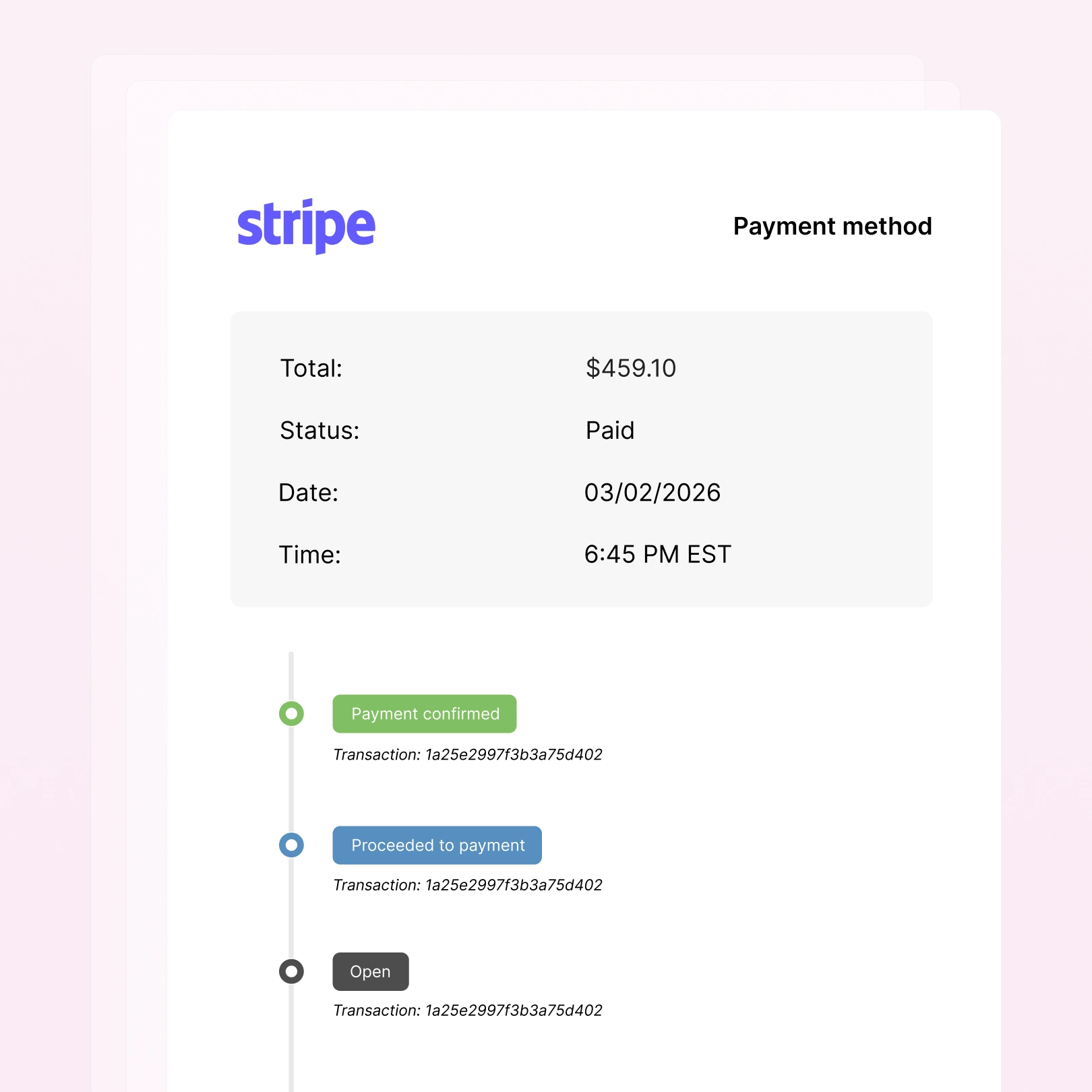
The more flexible your checkout, the higher your conversion rate. To better understand how this works behind the scenes, see our guide to shopping cart software and modern checkout systems.
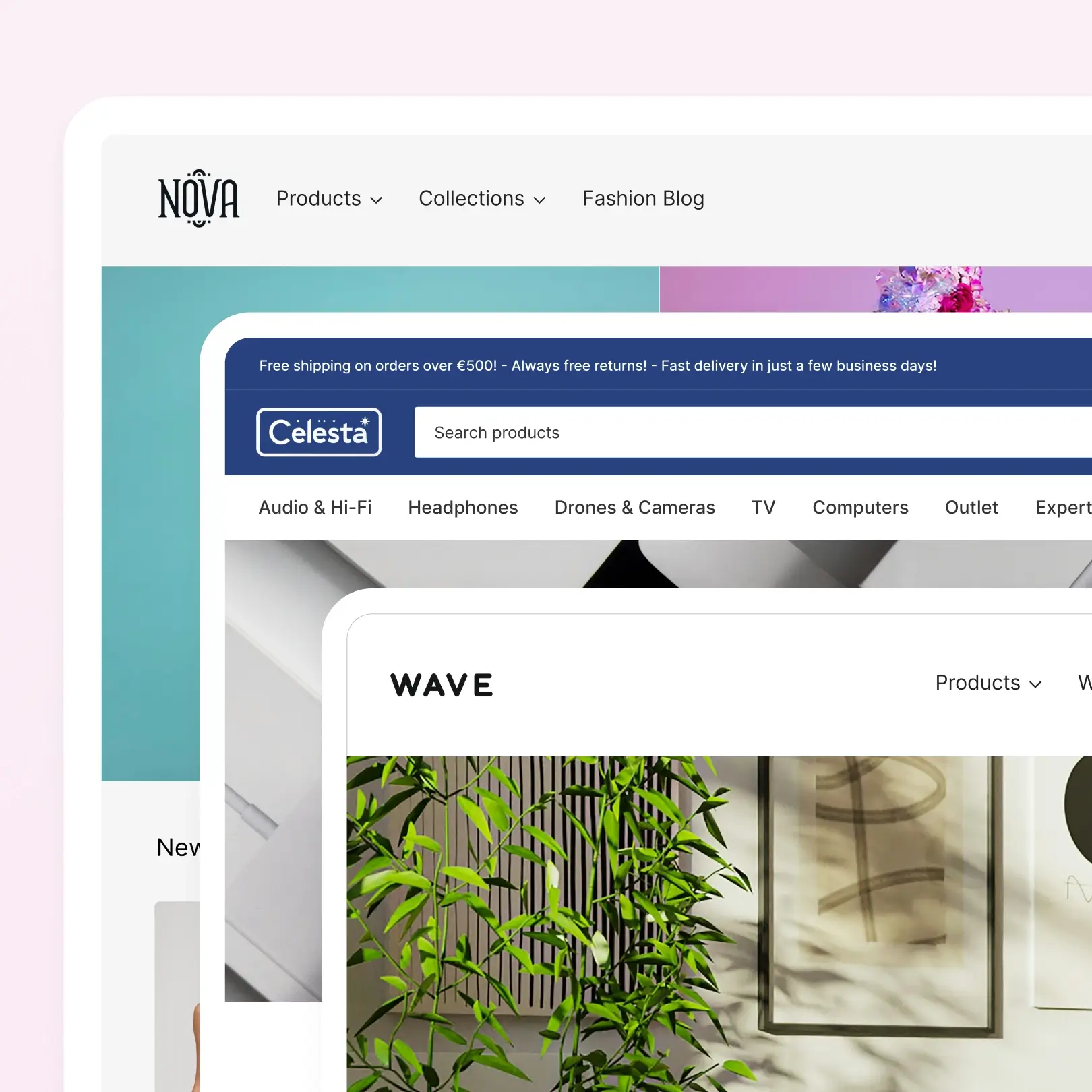
3. Use professional design and free themes
Design builds trust instantly. With modern free themes, you don’t need a designer to look professional.
Choose themes that are:
- Fully responsive
- Easy to customize
- Optimized for conversions
- Feature-first, not color-first
Design doesn’t need to be expensive. Modern free ecommerce themes allow you to launch a professional-looking store without design costs or technical work.
What can you sell online?
An ecommerce platform lets you sell almost anything, from physical and digital products to services.

Popular ecommerce product categories include:
- Clothing and accessories
- Electronics and devices
- Home and garden products
- Food and beverages
- Books, media, and digital products
- Gift cards, services, and event tickets
Modern commerce business software supports mixed product types in one store.
How much does it cost to launch an online store for your business?
The cost of creating an online store depends on how you start.
DIY: create for free
With a self-service ecommerce platform, setup costs can be $0.
You simply:
- Add business information
- Choose a theme
- Add products, pricing and other information
- Activate payments and shipping
- Publish policies
- Publish store
This approach is ideal for new merchants and small businesses.
Done-for-you: professional setup
If you want the fastest launch, you can order a ready-made online store from professionals. Typical starting budgets are $1,000 - $5,000.
This option suits businesses that want speed and confidence from day one.

Ecommerce pricing: monthly costs
After launch, ecommerce platforms usually charge a monthly fee.
With Finqu, pricing starts from $19/month, including nearly all features. As your store grows, you can upgrade plans anytime to unlock more admin users and tools.
Platform costs vary widely depending on how pricing is structured. We’ve broken down the most common ecommerce pricing models and how they affect long-term profitability.
Create an online store: 8-step ecommerce success framework
Step 1: Plan your ecommerce business
Define goals, target audience, product range, pricing, brand, budget, and legal requirements.
Step 2: Choose the right ecommerce platform
Focus on scalability, payments, shipping, automation, and support.
Step 3: Add products and pricing
Research competitors, define margins, and highlight value beyond price.
Step 4: Set up payments and checkout
Enable multiple payment methods to reduce cart abandonment.
Step 5: Configure shipping and inventory
Offer reliable delivery, clear returns, and accurate stock tracking.
Step 6: Market your online store
Use SEO, paid ads, social media, email, and referrals.
Step 7: Deliver excellent customer service
Fast responses and smooth returns drive repeat purchases.
Step 8: Track, analyze, and optimize
Use analytics to improve conversion rates, campaigns, and product performance.

Why a modern ecommerce platform matters in 2026
E-commerce is more competitive than ever. Platforms that combine automation, analytics, and ease of use give merchants a decisive advantage.
Choosing the right ecommerce platform means you’re not just creating an online store, you’re building a scalable business.
As your business grows, selling across channels becomes more important. Unified commerce helps remove friction between online sales, inventory, and point of sale systems.
Ready to create your online store?
Start a free trial and explore how a modern ecommerce platform helps you launch, sell, and grow — without complexity.